
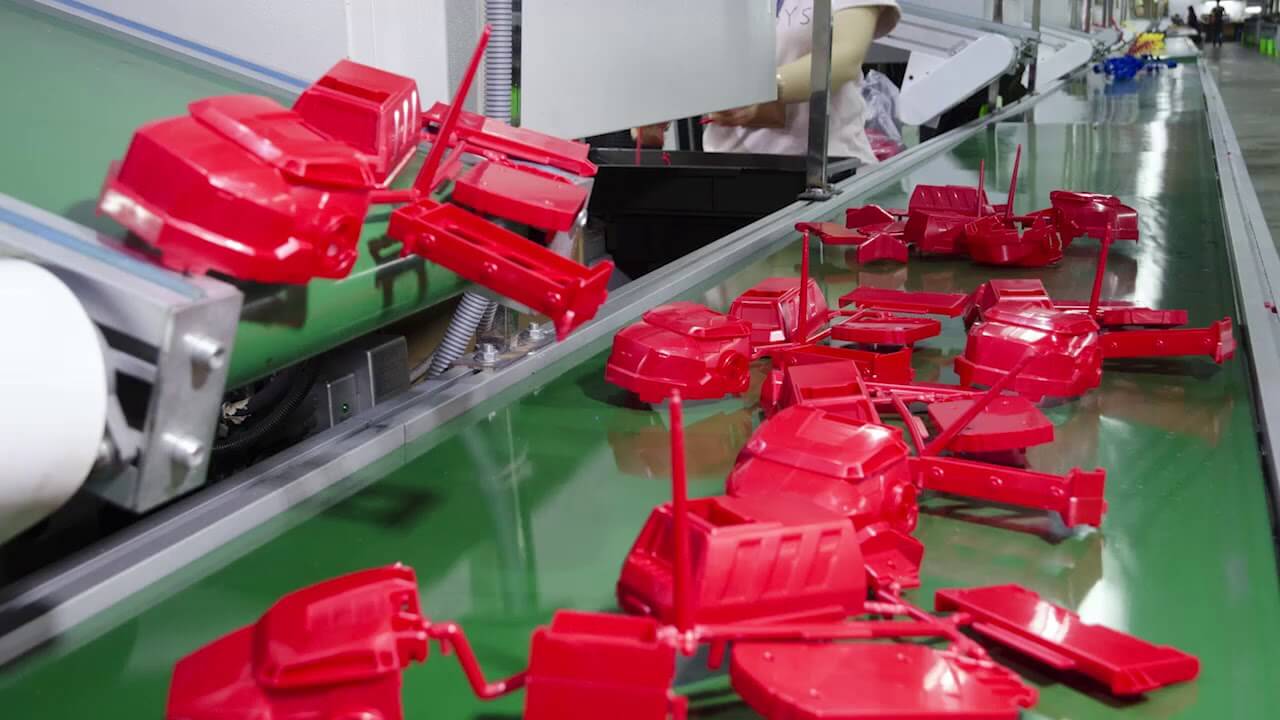
You might not know this, but there’s something oddly fascinating about walking into a plastic mold factory. I wasn’t expecting to be so captivated when I first visited one just outside Melbourne, but there’s a rhythm to the place that feels almost alive. Rows of machines hum, sparks occasionally fly, and skilled hands guide molten plastic into intricate shapes. Honestly, it’s like watching art meet engineering.
Now, I know “plastic” doesn’t exactly scream glamour. Most of us think of packaging, containers, maybe a few toys. But a plastic mold factory is a bit of a hidden world that quietly powers a huge chunk of our everyday lives. From automotive components to kitchen gadgets, even medical devices, a lot of what we touch daily has passed through one of these factories.
Table of Contents
How Plastic Mold Factories Really Work
At its core, a plastic mold factory is all about precision. You start with a mould — essentially a custom-made cavity that defines the shape of the product. Then comes the magic: molten plastic is injected, cooled, and voila, you’ve got a finished piece. Sounds simple, right? But there’s a lot that goes on behind the scenes. The design phase alone can take weeks, because a tiny miscalculation can ruin thousands of units.
I was surprised to learn that the materials themselves play a huge role. Not all plastics are created equal — some are flexible, some rigid, some resistant to heat or chemicals. Choosing the right plastic for a product isn’t just a technical decision; it’s a bit of an art. And that’s where the engineers and designers shine. They balance cost, durability, and usability — sometimes negotiating between what the client wants and what’s actually feasible.
Why Innovation Matters
Here’s something that really struck me: factories like these aren’t just repeating the same process day in, day out. Many are on the cutting edge of manufacturing technology. Automated machines now handle much of the repetitive work, but human expertise is still crucial for troubleshooting and quality control. It’s fascinating to see engineers tweak machinery to improve efficiency by just a fraction — those small improvements add up, especially in mass production.
Sustainability is another big focus. You might be aware of the growing concern around plastic waste, and honestly, the industry is feeling that pressure. Modern plastic mold factories are experimenting with recycled materials and more energy-efficient machines. I actually came across a facility that repurposes offcuts and scrap plastic back into production, which, to me, felt like a small but meaningful step toward reducing environmental impact.
Behind the Scenes: The Human Element
Visiting a plastic mold factory isn’t just about machines; it’s about the people. Operators, engineers, designers — everyone plays a role. I had the chance to chat with a technician who’s been in the industry for over 20 years. He told me, “Every day, you’re solving tiny puzzles. It’s never exactly the same, even if you’ve made this part a thousand times.” I liked that — it reminded me that behind every manufactured piece, there’s real human skill and problem-solving at work.
It’s also a surprisingly creative environment. Teams brainstorm better mold designs, faster cooling methods, and even ways to reduce material usage. I never expected a factory to feel a bit like a lab, but there it was: experimentation happening at a scale that’s both practical and impressive.
Choosing the Right Plastic Mold Factory
If you’re a business looking to work with a plastic mold factory, there’s more to consider than just cost. Reliability, precision, and experience really matter. Some factories specialise in small, intricate parts; others handle large-scale production. Visiting in person can be enlightening — seeing the workflow, meeting the team, and checking their quality control process gives you insights that spreadsheets never will.
Also, many factories offer design support, which can save you a lot of headaches. Some even provide digital simulations before a single piece is made, which helps spot potential problems early. It’s not cheap, but in my experience, the upfront investment is worth it when you want consistent, high-quality products.
A Final Reflection
Leaving the factory, I felt a mix of awe and appreciation. A plastic mold factory isn’t just a place where objects are churned out. It’s a hub of creativity, engineering, and human dedication. Next time you pick up a simple plastic item, take a moment to think about the journey it went through — from molten material to finished product, guided by skilled hands and careful design.
Honestly, it’s a reminder that even in industries we take for granted, there’s complexity, innovation, and a human touch. And who knows? Maybe learning a bit about this world might make you look at everyday objects with a newfound respect. I know I certainly do.